Go Back
+ servings

Soft Cameroonian Gateau (Dry Bofrot) Recipe | Soft, Fluffy & Easy for Beginners

Learn how to make soft Cameroonian Gateau (Dry Bofrot) from scratch with simple ingredients. This beginner-friendly recipe is soft, fluffy, lightly sweet, and can also be used to make homemade bread rolls. Follow my step-by-step method for perfect results every time.
Soft Cameroonian Gateau (Dry Bofrot)
Growing up in Cameroon, whenever my mum made Gateau, the smell filled the whole house before the first batch even came out of the oil. My siblings and I could never wait for them to cool. We'd stand beside the stove hoping to get the first warm piece. That's exactly the feeling I wanted to recreate with this recipe.
Soft, fluffy, lightly sweet, and golden on the outside, this Cameroonian Gateau recipe is one I come back to again and again. It's one of those recipes that fills the kitchen with a warm buttery aroma and brings everyone around the table before it's even finished frying.
If you've ever made Gateau that turned out hard, dense, or greasy, don't worry. We've all been there. The good news is that making soft, delicious Gateau isn't difficult once you understand a few simple techniques. In this recipe, I'll show you exactly how I make mine, explaining each step along the way so you know not only what to do, but why it matters.
One thing I love about this recipe is how versatile it is. After the dough has risen, you can fry part of it into soft, golden Gateau and use the rest to make fluffy homemade bread rolls. It's like getting two family favorites from one easy dough.
I make this recipe for birthdays, family gatherings, weekend breakfasts, and whenever we're craving something comforting with a cup of tea or coffee. The outside develops a beautiful golden crust while the inside stays soft, airy, and full of rich flavor from the condensed milk, butter, eggs, and a touch of nutmeg.
Whether you grew up calling it Cameroonian Gateau, Dry Bofrot, Toogbei, or another local name, I hope this recipe brings back wonderful memories and becomes one you'll make again and again.
If this is your first time making Gateau, you're in the right place. I'll guide you through every step just as if we were standing together in my kitchen.

Why You'll Love This Recipe

There are so many reasons why this recipe has become one of my family's favorites.

Soft and Fluffy Every Time

The combination of condensed milk, butter, eggs, and properly activated yeast creates a dough that's incredibly soft. Once fried, the inside stays light and tender while the outside turns beautifully golden.

Perfect for Beginners

I'll walk you through every step using simple language, sharing the little tips I've learned over the years. Even if you've never worked with yeast before, you can make this recipe with confidence.

Simple Pantry Ingredients

Everything used in this recipe is easy to find. There's nothing complicated or expensive, and you may already have most of the ingredients in your kitchen.

One Dough, Two Recipes

One of my favorite things about this recipe is that the dough isn't just for Gateau. You can also shape it into soft bread rolls and bake them in the oven. It's an easy way to enjoy two homemade treats without making a second dough.

Perfect for Any Occasion

Whether you're making breakfast for your family, preparing snacks for school, celebrating a birthday, or serving guests during the holidays, these Gateau always disappear quickly.

Family-Tested

I've made this recipe many times, adjusting little details until it became the version my family asks for over and over again. It's simple, reliable, and one I know you'll enjoy too.
Prep Time 30 minutes
Rise Time 1 hour
Total Time 1 hour 30 minutes
Servings: 20 Pieces
Course: Breakfast, Snacks & Appetizers
Cuisine: African, Cameroonian, Ghana, West African
Calories: 140

Ingredients
  

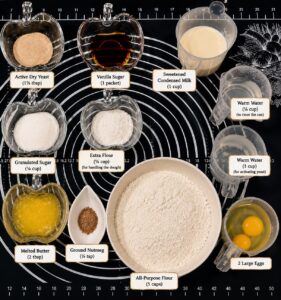
  • 5 cups all-purpose flour
  • ¼ cup Extra flour (only if needed while handling the dough)
  • 2 large Eggs
  • 1 cup sweetened condensed milk
  • ¼ cup warm wate (to rinse the condensed milk cup so none goes to waste)
  • 2 tablespoon melted butter
  • 1 packet vanilla sugar
  • ¼ cup granulated sugar
  • tablespoon active dry yeast
  • 1 cup warm water (for activating the yeast)
  • ¼ teaspoon ground nutmeg
  • Vegetable oil for frying
Ingredient Notes
All-Purpose Flour
  • All-purpose flour gives this recipe the balance I'm looking for. It creates a dough that's easy to knead and fries into soft fluffy Gateau. I don't recommend using self-rising flour because it contains baking powder and salt, which can change both the texture and flavor.
Sweetened Condensed Milk
  • This is one of my favorite ingredients in the recipe. It adds richness sweetness, and helps keep the inside soft even after the Gateau has cooled. When you rinse the can with a little warm water, you make sure every bit of that flavor goes into the dough.
Active Dry Yeast
  • Good yeast is the key to light and fluffy Gateau. Before mixing anything else I always activate the yeast in warm water. If it doesn't become foamy after about 10 minutes, it's better to replace it than continue with the recipe.
Eggs
  • The eggs enrich the dough and help create a tender texture. They also give the finished Gateau a beautiful golden color.
Butter
  • Melted butter adds flavor and softness. It also helps keep the dough moist giving the finished Gateau that rich homemade taste.

Vanilla Sugar

  • Vanilla sugar adds a gentle sweetness and a lovely aroma that pairs beautifully with the butter and condensed milk.
Nutmeg
  • Only a small amount is needed but it gives the Gateau its classic warm, comforting flavor.
Cook With Sonita: Tips
  • Since I use salted butter I don't add extra salt. The butter provides just the right amount of seasoning without making the dough taste salty.
Before we begin mixing the dough, here are a few simple tips that will make a big difference in your results.
  • Measure your ingredients before you start. Having everything ready makes the process much smoother.
  • Use warm water when activating the yeast. It should feel comfortably warm to the touch not hot. Water that's too hot can kill the yeast, while cold water won't activate it properly.
  • If possible sift your flour. It helps remove lumps and makes the dough lighter.
  • Give the dough enough time to rise. Don't rush this step. A well-risen dough is one of the secrets to soft fluffy Gateau.
  • Heat the oil gradually over medium heat. Frying at the right temperature gives you a beautiful golden crust while allowing the inside to cook through.
  • Once everything is ready it's time to mix the dough and start making one of my favorite homemade treats.

Equipment

  • 1 Large Mixing Bowl Gives you enough room to mix and knead the dough comfortably.
  • 1 Measuring Cups and Spoons Accurate measurements help you get consistent results every time.
  • 1 Whisk – Perfect for combining the wet ingredients before adding the flour.
  • 1 Dough scraper or sturdy spatula – Makes it easier to work with sticky dough and keeps your countertop clean.
  • 1 Kitchen towel or plastic wrap – Covers the dough while it rises, preventing it from drying out.
  • 1 Deep frying pot or heavy-bottomed saucepan – A deeper pot helps the Gateau cook evenly and gives you enough oil depth for proper frying.
  • 1 Slotted Spoon Makes lifting the cooked Gateau out of the oil quick and easy while allowing excess oil to drain away.
  • 1 Cooling rack or paper towel-lined tray- Lets the excess oil drain while keeping the outside lightly crisp.

Method
 

How to Make Soft Cameroonian Gateau (Dry Bofrot)Step-by-step
  1. Now comes my favorite part bringing all those simple ingredients together to make soft, fluffy Gateau. If this is your first time making it, don't worry. I'll explain every step just the way I would if you were standing beside me in my kitchen.
  2. One thing I've learned over the years is that making good Gateau isn't about rushing. It's about paying attention to the little details. Things like using warm water instead of hot water, giving the dough enough time to rise, and frying at the right temperature make all the difference.
  3. Let's get started.
Step 1: Activate the Yeast
  1. The first thing I always do is activate the yeast.
  2. Pour 1 cup of warm water into a mixing bowl. The water should feel warm when you dip your finger into it, but it shouldn't be hot. If it's too hot, it can kill the yeast before it has a chance to work.
  3. Add the active dry yeast to the warm water, followed by the granulated sugar. Give everything a quick stir until the yeast is dissolved.
  4. Now leave it alone for about 10 minutes.
  5. This waiting time is important because it tells you whether your yeast is still active. After a few minutes, you should see a thick layer of foam on top.
  6. That's exactly what you want.
  7. If nothing happens after 10 minutes, don't continue with the recipe. Your yeast may have expired, and the dough won't rise properly. It's always better to start with fresh yeast than waste the rest of your ingredients.
  8. If your kitchen is cold, place the bowl somewhere slightly warm while the yeast activates. It will foam more easily.
Step 2: Prepare the Wet Ingredients
  1. While the yeast is doing its job, let's prepare everything else.
  2. Crack the two eggs into a large mixing bowl and whisk them until they're smooth.
  3. Next, pour in the sweetened condensed milk.
  4. Once the can is empty, don't throw it away just yet.
  5. Add ¼ cup of warm water to the can, swirl it around, and pour every last bit into the bowl.
  6. I always do this because there's usually quite a bit of condensed milk left inside the can, and that's rich flavor you don't want to waste.
  7. Now add:
  8. Melted butter
  9. Vanilla sugar
  10. Ground nutmeg
  11. Whisk everything together until the mixture looks smooth and creamy.
  12. At this point, your kitchen already starts smelling wonderful from the vanilla and nutmeg.
Step 3: Combine Everything Together
  1. By now, your yeast should be nice and foamy.
  2. Pour the activated yeast into the bowl with the wet ingredients.
  3. Whisk everything together until it's well combined.
  4. Now it's time to add the flour.
  5. Instead of pouring in all the flour at once, add it a little at a time.
  6. Mix after each addition.
  7. This makes it much easier to work the flour into the liquid and helps prevent dry pockets from forming in the dough.
  8. As the dough becomes thicker, you'll notice it getting harder to stir with the whisk.
  9. That's completely normal.
  10. Switch to a wooden spoon, sturdy spatula, or clean hands once the dough becomes too thick.
Step 4: Knead the Dough
  1. Once all the flour has been incorporated, transfer the dough onto a lightly floured surface.
  2. Now begin kneading.
  3. Push the dough forward with the heel of your hand, fold it back toward yourself, then turn it slightly and repeat.
  4. Keep kneading for about 8 to 10 minutes.
  5. At first, the dough may feel slightly sticky, but try not to add too much extra flour.
  6. Adding too much flour is one of the biggest reasons Gateau becomes hard instead of soft.
  7. The dough is ready when it feels smooth, soft, and slightly elastic.
  8. When you gently press it with your finger, it should slowly spring back.
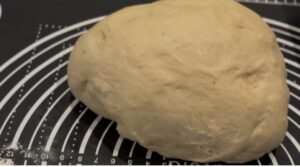
  9. If the dough sticks to your hands, lightly grease your hands with a little oil instead of adding lots of flour. This helps keep the dough soft.
Step 5: Let the Dough Rise
  1. Lightly grease a clean bowl with a little oil or butter.
  2. Place the dough inside and turn it once so all sides are lightly coated.
  3. Cover the bowl with a clean kitchen towel or plastic wrap.
  4. Now let the dough rise in a warm place until it doubles in size.
  5. Depending on how warm your kitchen is, this usually takes 1½ to 2 hours.
  6. Don't rush this step.
  7. This is where the yeast creates tiny air pockets that give your Gateau its beautiful soft texture.
  8. One easy way to tell the dough is ready is by looking at it.
  9. It should look puffed up, airy, and feel much lighter than before.
  10. If you gently press it with your finger, the indentation should remain instead of bouncing back immediately.
  11. That's a good sign the dough has fermented properly.
Step 6: Prepare the Oil
  1. About 15 minutes before you're ready to fry, start heating your oil.
  2. Use enough vegetable oil so the Gateau can float freely while cooking.
  3. Keep the heat at medium.
  4. Many people think hotter oil cooks faster, but that's actually one of the easiest ways to ruin Gateau.
  5. Oil that's too hot browns the outside very quickly while leaving the inside raw.
  6. Oil that's too cool allows the dough to absorb too much oil, making the finished Gateau greasy.
  7. One simple trick I use is to dip the end of a wooden spoon or toothpick into the oil.
  8. If you see small bubbles forming around it, the oil is ready.
Step 7: Shape the Gateau
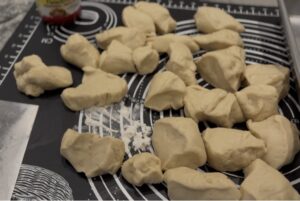
  1. Once the dough has finished rising, gently press it down to remove some of the large air pockets.
  2. You don't need to knead it again.
  3. Lightly grease your hands with a little oil.
  4. Pinch off a small piece of dough and gently roll it between your palms until you have a smooth ball.
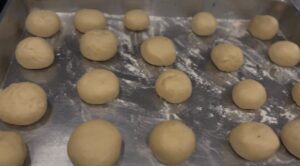
  5. Try to keep the pieces about the same size.
  6. That way they'll cook evenly.
Step 8: Fry Until Golden Brown
  1. Carefully lower a few pieces of dough into the hot oil.
  2. Don't overcrowd the pot.
  3. The Gateau needs room to expand as it cooks.
  4. As soon as they begin floating, gently turn them using a slotted spoon.
  5. Keep turning them every so often.
  6. This helps every side cook evenly and gives you that beautiful golden-brown color all around.
  7. After several minutes, they'll become puffed, evenly browned, and smell absolutely amazing.
  8. Lift them out with a slotted spoon and place them on a cooling rack or a paper towel-lined tray to drain any excess oil.
  9. Continue frying the remaining dough in batches until everything is cooked.
How to Know Your Gateau Is Perfect
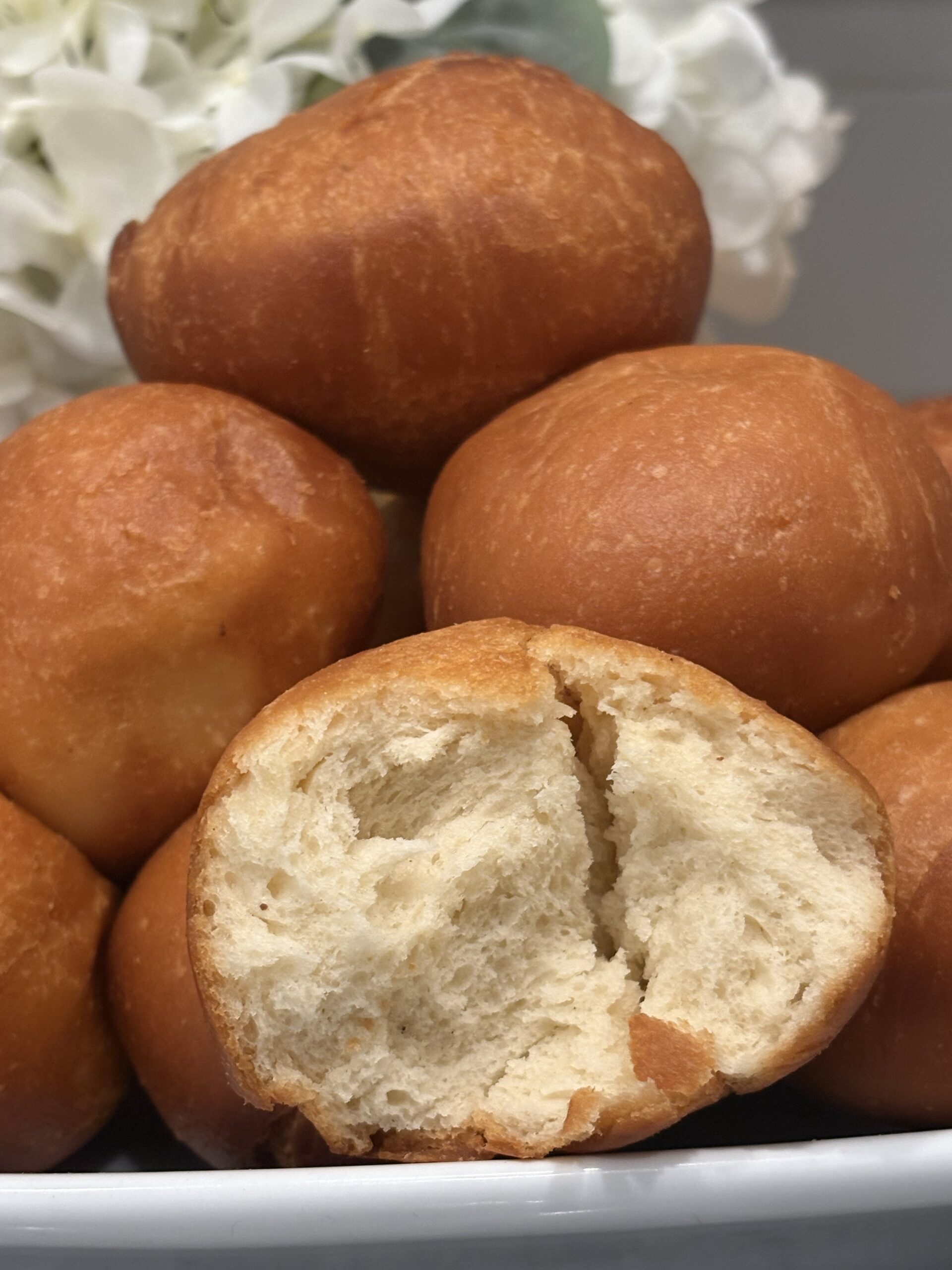
  1. When you break one open, the inside should be soft, fluffy, and evenly cooked from the center all the way to the edges.
    The outside should have a light golden crust that's slightly crisp without feeling hard.
    Every bite should be rich, buttery, lightly sweet, and wonderfully soft.
  2. One of the reasons I love this recipe so much is that you don't have to use all the dough for frying.
Make Homemade Bread Rolls Too
  1. If you'd like fresh homemade bread, simply divide some of the dough into equal portions and shape each one into a smooth ball.
  2. Arrange them in a greased baking dish, leaving a little space between each one.
  3. Cover and let them rise again until they're nice and puffy.
  4. Brush the tops with melted butter for a beautiful golden finish.
  5. Bake in a preheated 350°F (175°C) oven for 20–25 minutes, or until the tops are lightly golden.
  6. As soon as they come out of the oven, brush them with another light coating of melted butter.
  7. This keeps the crust soft and gives the rolls a beautiful shine.
  8. The result is fluffy homemade bread that's perfect with butter, jam, eggs, soups, or your favorite sandwich fillings.
Cook With Sonita: Tips
  1. Over the years, I've learned that making soft Gateau isn't about using fancy ingredients. It's the little details that make the biggest difference. These are the same tips I use every time I make this recipe, and they've helped me get consistent results.
Measure Your Flour Properly
  1. One of the most common reasons Gateau turns out hard is using too much flour.
  2. If you're scooping directly from the bag, you can easily pack extra flour into your measuring cup without realizing it. Instead, fluff the flour first, spoon it into the measuring cup, and level it off with the back of a knife.
  3. A soft dough makes soft Gateau.
Use Warm Water, Not Hot Water
  1. Yeast is a living ingredient, so temperature matters.
  2. The water should feel warm to the touch, similar to warm bath water. If it's too hot, it can kill the yeast. If it's too cold, the yeast won't activate properly.
  3. When in doubt, it's better for the water to be slightly warm than too hot.
Be Patient with the Rising Time
  1. This is one step you don't want to rush.
  2. The yeast needs time to create tiny air pockets throughout the dough. Those air pockets are what give the Gateau its soft, fluffy texture.
  3. If your kitchen is cool, the dough may take a little longer to rise. That's completely normal.
  4. Rather than watching the clock, look at the dough. Once it has doubled in size and feels light and airy, it's ready.
Don't Keep Adding Flour
  1. It's normal for the dough to feel a little sticky at first.
  2. Instead of adding lots of extra flour, lightly grease your hands with oil or butter while kneading.
  3. Too much flour can make the finished Gateau dry and heavy.
Fry Over Medium Heat
  1. The oil temperature can make or break your Gateau.
  2. If the oil is too hot, the outside will brown too quickly while the inside stays raw.
  3. If it's too cool, the dough absorbs oil and becomes greasy.
  4. Medium heat gives the best balance, allowing the Gateau to cook evenly all the way through.
Turn the Gateau While Frying
  1. Don't leave the Gateau sitting on one side.
  2. As they float, gently turn them every now and then.
  3. This helps them cook evenly and gives them that beautiful golden color all around.

Fry in Small Batches
  1. It's tempting to add lots of dough at once, especially when you're making a big batch.
  2. Try not to.
  3. Adding too many pieces at once lowers the oil temperature, which can lead to greasy Gateau.
  4. Cooking in smaller batches gives much better results.
Drain Properly
  1. After frying, place the Gateau on a cooling rack or a paper towel-lined tray.
  2. This allows any excess oil to drain while keeping the outside lightly crisp.

Nutrition

Serving: 1PuffCalories: 140kcalCarbohydrates: 28gProtein: 4gFat: 1gSaturated Fat: 1gPolyunsaturated Fat: 0.1gMonounsaturated Fat: 0.3gCholesterol: 4mgSodium: 16mgPotassium: 74mgFiber: 1gSugar: 9gVitamin A: 33IUVitamin C: 0.3mgCalcium: 39mgIron: 1mg

Video

Notes

Common Mistakes (And How to Fix Them)

Everyone has a batch that doesn't turn out perfectly from time to time. If something goes wrong, don't worry. Here's what may have happened and how to fix it next time.

My Gateau Didn't Rise

This is usually caused by inactive yeast.
Check that your yeast isn't expired and make sure the water wasn't too hot or too cold.
If the yeast didn't become foamy during the first step, it's best to start over with fresh yeast.

My Gateau Is Hard

This usually happens when:
  • Too much flour was added.
  • The dough didn't rise long enough.
  • The Gateau was fried for too long.
A softer dough and proper rising time make a big difference.

My Gateau Is Greasy

Greasy Gateau almost always means the oil wasn't hot enough.
Before adding the dough, make sure the oil has reached the right temperature. A simple way to check is by dipping the end of a wooden spoon or toothpick into the oil. If you see gentle bubbles, it's ready.

The Outside Cooked Too Fast

If the outside becomes dark while the inside is still raw, the oil is too hot.
Lower the heat slightly and give the oil a minute or two to cool before frying the next batch.

My Dough Didn't Double in Size

If your dough barely rose, your kitchen may have been too cold.
Move the bowl to a warmer spot, such as inside an oven that's turned off with only the oven light on.
The gentle warmth helps the yeast work properly.

Variations

One of the things I enjoy most about this recipe is how easy it is to change it up depending on the occasion.

Make Homemade Bread Rolls

This is my favourite variation because you get two recipes from one dough.
Instead of frying all the dough, shape some into rolls, let them rise until doubled, brush with melted butter, and bake until golden.
They're soft enough for breakfast, sandwiches, or to serve with soup.

Add Raisins

If your family enjoys raisins, knead a handful into the dough before the first rise.
They add little bursts of sweetness throughout the Gateau.

Add More Spice

For a warmer flavour, add a little extra nutmeg or a pinch of cinnamon.
The aroma while frying is incredible.

Make Mini Gateau

Instead of shaping larger balls, make bite-sized pieces.
These are perfect for birthday parties, holidays, baby showers, or serving on snack platters.

Dust with Powdered Sugar

If you're serving Gateau for a special occasion, let them cool slightly and lightly dust the tops with powdered sugar.
It's simple but makes them look extra special.

Serving Suggestions

One of the best things about Gateau is how versatile it is.
Here are some of my favourite ways to enjoy it.

Breakfast

Serve warm with a cup of tea, coffee, or hot chocolate for a comforting breakfast.

Afternoon Snack

Enjoy a few pieces with fresh fruit or your favourite cold drink.

Family Gatherings

Arrange them on a large serving platter for birthdays, holidays, church events, or family celebrations.
They're always one of the first snacks to disappear.

Lunch Boxes

Once cooled, they pack well and make a delicious homemade treat for school or work.

Dessert

Serve warm with fresh fruit, whipped cream, or a scoop of vanilla ice cream for an easy dessert.

Storage

If you have leftovers, they're easy to store.
Allow the Gateau to cool completely before placing them in an airtight container.
They'll stay fresh at room temperature for up to 3 days.
Avoid refrigerating them, as the cold air can make them dry out more quickly.

Freezing

Gateau freezes beautifully.
Once completely cool, place them in a freezer-safe bag or airtight container.
Freeze for up to 2 months.
When you're ready to enjoy them again, simply thaw at room temperature before reheating.

Reheating

If you'd like your Gateau to taste freshly made again, warming them for a few seconds works wonders.

Microwave

Heat for about 15–20 seconds until warm and soft.

Oven

Place them in a 300°F (150°C) oven for about 5–8 minutes.
This gently warms the inside while keeping the outside from becoming too soft.

Make-Ahead Tips

If you're preparing for a party or family gathering, you can save time by making the dough in advance.
After the first rise, cover the bowl tightly and refrigerate the dough overnight.
The next day, let it sit at room temperature for about 30–45 minutes before shaping and frying.
This makes entertaining much easier while still giving you freshly made Gateau.

Why This Recipe Works

After making this recipe many times, I've found that a few simple ingredients work together to create the soft texture I love.
The sweetened condensed milk adds richness and helps keep the inside moist. The eggs and butter make the dough tender, while the active dry yeast creates the light, airy texture as it rises. Taking your time with the rise and frying over medium heat gives the Gateau a beautiful golden crust without drying out the inside.
These aren't complicated techniques, but together they make a big difference. That's why this recipe has become one I trust whenever I want soft, fluffy Gateau for my family.

Frequently Asked Questions

These are some of the questions I get asked most often about making Cameroonian Gateau. If you have a question that isn't answered here, leave it in the comments, and I'll be happy to help.

1. What's the difference between Gateau and Puff Puff?

Although both are popular West African fried dough snacks, they're quite different.
Cameroonian Gateau has a richer dough because it contains eggs, butter, and sweetened condensed milk. The texture is slightly firmer but still wonderfully soft inside.
Puff Puff is usually made with a simpler yeast dough, making it lighter and airier.
Both are delicious—they just have different textures and flavours.

2. Can I make the dough ahead of time?

Yes.
After the first rise, cover the bowl tightly and refrigerate the dough overnight.
The next day, remove it from the refrigerator and let it sit at room temperature for about 30–45 minutes before shaping and frying.

3. Can I freeze the dough?

Yes.
After the first rise, wrap the dough well and freeze it for up to one month.
When you're ready to use it, thaw it overnight in the refrigerator, then let it come to room temperature before shaping.

4. Can I freeze cooked Gateau?

Absolutely.
Allow the Gateau to cool completely before placing it in a freezer-safe container or freezer bag.
Freeze for up to 2 months.

5. Why didn't my Gateau rise?

The most common reasons are:
  • Your yeast has expired.
  • The water was too hot or too cold.
  • The dough didn't have enough time to rise.
  • The room was too cold.
Always check that your yeast becomes foamy before mixing the dough.

6. Why is my Gateau hard?

Usually this happens because:
  • Too much flour was added.
  • The dough didn't rise enough.
  • It was fried too long.
A soft dough and enough rising time are the biggest secrets to fluffy Gateau.

7. Why is my Gateau greasy?

Greasy Gateau usually means the oil wasn't hot enough before frying.
Always allow the oil to reach the proper temperature before adding the dough.

8. Can I use instant yeast?

Yes.
If you're using instant yeast, you can mix it directly with the flour.
I still like activating mine first because it lets me know the yeast is fresh before I continue.

9. Can I use evaporated milk instead of condensed milk?

Yes.
The flavour won't be quite as rich, and you may need to increase the sugar slightly, but it still works well.

10. Can I use bread flour?

I don't recommend it.
All-purpose flour gives this recipe the soft texture I'm looking for.
Bread flour contains more protein and can make the Gateau slightly chewier.

11. Can I make this recipe without eggs?

The eggs help create the rich texture in this recipe.
I haven't tested an egg-free version, so I can't recommend a reliable substitute.

12. Can I bake the entire dough instead of frying it?

Yes.
The dough also makes wonderful homemade bread rolls.
Shape the dough into balls, let them rise until doubled, brush with melted butter, and bake at 350°F (175°C) for 20–25 minutes.

13. How long will Gateau stay fresh?

When stored in an airtight container, it stays fresh for about 3 days at room temperature.

14. Can I double this recipe?

Yes.
This recipe doubles very well if you're cooking for a large family, party, church event, or celebration.

15. What oil is best for frying?

Use a neutral oil with a high smoke point, such as:
  • Vegetable oil
  • Canola oil
  • Sunflower oil
These allow the flavour of the Gateau to shine through.

Related Recipes You'll Love

If you enjoyed this recipe, here are a few more favourites from Cook With Sonita that I think you'll love too.

Equipment I Use

These are some of the kitchen tools I regularly use when making this recipe.
  • Mixing bowls
  • Measuring cups and spoons
  • Dough scraper
  • Silicone spatula
  • Slotted spoon
  • Heavy-bottomed frying pot
  • Cooling rack
  • Kitchen scale (optional but helpful for accuracy)

Join the Cook With Sonita Family

If you enjoy easy African recipes, family-friendly meals, and beginner baking tutorials, I'd love for you to stay connected.
Subscribe to my newsletter to receive:
  • New recipes delivered straight to your inbox
  • Helpful cooking tips
  • Kitchen inspiration
  • Seasonal recipe ideas
  • Exclusive content that I only share with my email community
No spam—just delicious recipes and practical tips to help you feel more confident in the kitchen.

Let's Stay Connected

You can also find me here:
I share step-by-step videos, quick recipe ideas, and behind-the-scenes moments from my kitchen.

Final Thoughts

Thank you so much for spending time with me in the kitchen today.
This Soft Cameroonian Gateau recipe is one that's very special to me because it's more than just a snack. It's a recipe that reminds me of home, family gatherings, and the joy of sharing fresh homemade food with the people we love.
I hope this step-by-step guide has shown you that making soft, fluffy Gateau doesn't have to be difficult. With a little patience, properly activated yeast, and the right frying temperature, you'll be amazed at how delicious homemade Gateau can be.
One of my favourite parts of this recipe is that you can use the same dough to make soft homemade bread rolls, giving you two delicious recipes from one simple batch. It's practical, economical, and perfect for busy families.
If you make this recipe, I'd truly love to hear how it turned out. Did you fry the whole batch, or did you try making the bread rolls too? Your feedback not only helps me improve my recipes, but it also helps other readers who are making it for the first time.
If you enjoyed this recipe, please leave a ⭐️⭐️⭐️⭐️⭐️ rating and a comment below. Reading your experiences is one of my favourite parts of sharing recipes.
And if you share your Gateau on social media, don't forget to tag @CookWithSonita. I genuinely enjoy seeing your creations and celebrating your success in the kitchen.
Happy cooking, and I'll see you in my next recipe! 
 

Tried this recipe?

Let us know how it was!