

28
Homemade Green Seasoning Sauce
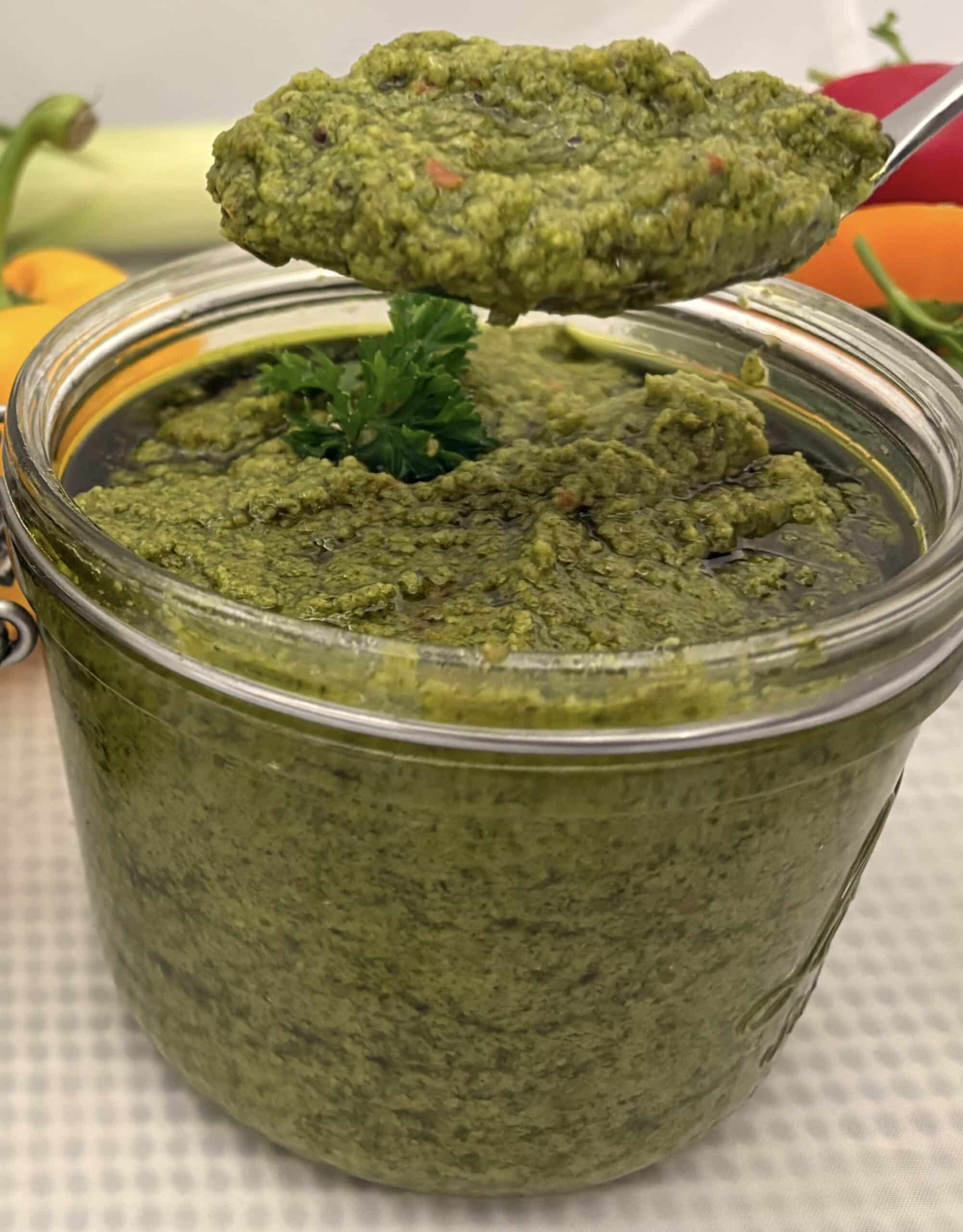
I like having this green seasoning sauce ready in my kitchen because it makes seasoning chicken, fish, and meat so much easier. Instead of starting from scratch every time I want to prepare a meal, I can simply take some out and use it.For this recipe, I combine fresh peppers, herbs, garlic, ginger, onions, and a few seasonings. But there's one thing I do differently: I use vegetable oil instead of water when blending the vegetables.You can also use it to add flavor to eggs, pasta, and other meals. Let me show you how I make mine.
Why You'll Love This Green Seasoning Sauce
Made with fresh ingredients: It combines fresh herbs, peppers, garlic, ginger, and vegetables.No water added during blending: Vegetable oil helps blend the ingredients and gives the sauce a rich consistency.Easy to use: A spoonful is enough to add flavor when seasoning chicken, fish, or meat.Useful for meal preparation: Make a batch, portion it into containers, and keep it ready for your next meal.Versatile: You can use it in more than just meat and fish dishes.Ingredients
Equipment
Method
Ingredient Notes
- Ingredients

- Red and yellow bell peppers: These add flavor, freshness, and color to the sauce.
- Curly and Italian parsley: I use both types of parsley to give the sauce its fresh herbal flavor.
- Garlic and ginger: These are important ingredients in the flavor of this seasoning. I use plenty of both.
- Basil, green onions, leeks, and celery: These bring together the different herbal and vegetable flavors.
- Ngancer: This is optional, so don’t worry if you don’t have it.
- Vegetable oil: This is what I use instead of water when blending. Start with the measured amount in the recipe.
- Maggi cubes and all-purpose seasoning: These add extra flavor. Different brands can have different salt levels, so taste before adding more salt.
Step-by-Step Instructions
Prepare the vegetables
- Start by cutting the red and yellow bell peppers, parsley, garlic, ginger, purple onion, basil, green onions, leek, and celery into smaller pieces.

- You don’t have to chop everything perfectly. The goal is simply to make the pieces small enough to blend easily.
Wash the vegetables
- Transfer the chopped vegetables into a large bowl and wash them thoroughly under clean running water. Pay particular attention to the leafy herbs and vegetables because they can hold sand and dirt.
- Drain the vegetables well before blending.
Transfer everything into the blender
- Add the washed vegetables to your blender.
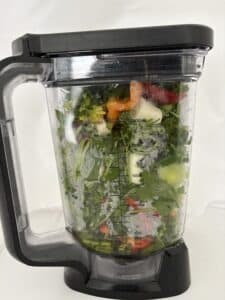
- Here is my little trick: instead of adding water, I use vegetable oil to blend the vegetables. Add the black pepper and white pepper, then cover the blender and blend until everything is smooth.
- If your blender needs help processing the mixture, stop it and move the ingredients around with a spatula before continuing. Avoid adding water if you want to follow this oil-blending method.

Transfer the blended mixture into a pot
- Once everything is blended smoothly, pour the green mixture into a cooking pot.
- Place the pot over very low heat. Keep the heat low and stir every 1–2 minutes so the mixture cooks evenly and doesn’t stick to the bottom.
Cook and add the seasonings
- After the mixture has cooked for a few minutes, carefully open the pot and stir.
- Don’t leave the pot open for too long because the sauce can splash as it cooks.
- Add the Maggi cubes, all-purpose seasoning, and salt. Stir until the seasonings are evenly mixed into the green sauce.

- Cover the pot again and continue cooking on low heat. Check and stir occasionally to prevent the mixture from burning at the bottom.
Check that the sauce is ready
- You’ll know the green seasoning sauce is ready when it thickens and the oil begins to rise to the top.
- You should see a layer of greenish oil on the surface. That’s the texture I look for before taking it off the heat.

Cool and store
- Allow the cooked sauce to cool for about 30 minutes, then transfer it into clean, airtight containers.
- You can keep a small portion in the refrigerator for immediate use and freeze the remaining portions for later.
Cook With Sonita Expert Tips
- Wash the herbs properly: Parsley, leeks, and celery can hold sand, so take your time washing them.
- Chop before blending: Smaller pieces make blending easier.
- Use oil instead of water: This is the method I use for this recipe. It also helps avoid adding extra water to the mixture.
- Keep the heat low: Cooking slowly helps the vegetables cook without burning at the bottom.
- Stir regularly: Don’t leave the pot unattended for long periods.
- Taste before adding more salt: Maggi cubes and all-purpose seasoning may already contain salt.
- Portion before freezing: Store the sauce in smaller containers so you only thaw what you need.
Video
Notes
Common Mistakes to Avoid
Adding too much water: I use vegetable oil instead of water for blending. Adding water changes the consistency of the recipe. Cooking over high heat: High heat can cause the sauce to stick and burn at the bottom. Keep it on low heat. Not stirring regularly: The mixture needs occasional stirring while it cooks. Storing the sauce while hot: Let it cool briefly before transferring it into containers. Don’t leave it sitting at room temperature for an extended period.Variations
Without Ngancer: Leave it out if you don’t have it. It is optional. Adjust the pepper: You can adjust the amount of black and white pepper to suit your taste. Adjust the salt: Start with the stated amount and adjust according to the saltiness of your Maggi cubes and all-purpose seasoning.How to Use Green Seasoning Sauce
This sauce is especially useful when preparing:- Roasted or baked chicken
- Grilled chicken
- Roasted fish
- Fried or grilled fish
- Goat meat and beef
- Turkey
- Eggs
- Pasta and other savory meals
How to Store Homemade Green Seasoning Sauce
Transfer the cooled sauce into clean, airtight containers.- Refrigerator: Keep it refrigerated and use within 3–4 days.
- Freezer: Freeze in small portions for longer storage. For best quality, use within 2–3 months.
